A single patient timeline
Diagnoses, labs, medications, procedures, and admissions in one chronological thread, which is assembled from the graph and never hand-maintained.
Loading…
Persistent clinical memory, built for care teams
A patient's history is scattered across hospitals, labs, and years of paper. Anamnesis turns it into one living memory that is connected, reasoned over, and always current. Medical records store information; Anamnesis remembers the patient.
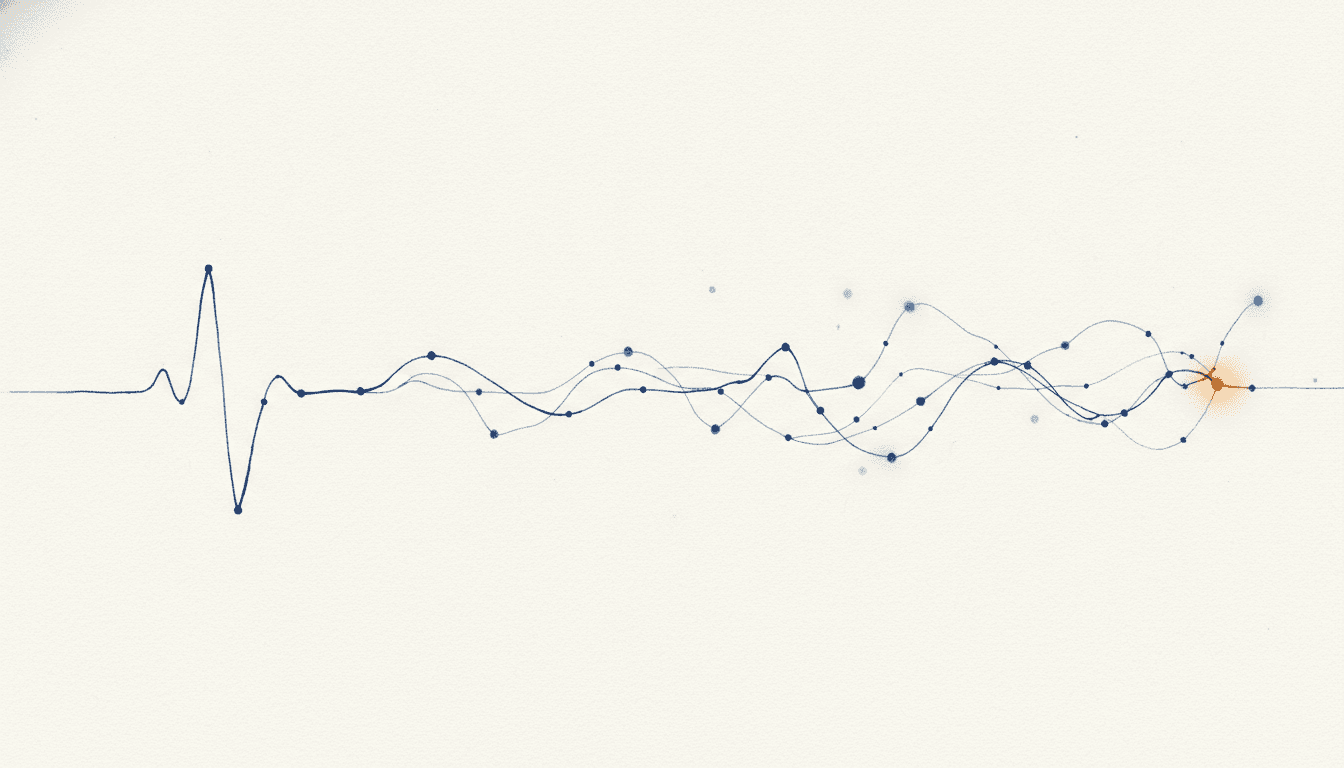
The problem
A single patient's story is split across seven systems that never speak. Every consultation begins by reconstructing it from scratch, so clinicians spend their time searching instead of diagnosing.
Traditional EHRs store these documents. None of them connect years of events into something that means anything.
Four operations, one memory
Anamnesis is built on four memory operations. Every one is visible in the product, presented not hidden behind the interface, but as the interface itself.
Upload a blood report, a prescription, a discharge summary. Anamnesis reads it, pulls out the diagnoses, medications, lab values and dates, and writes them into the patient's graph, turning them into connected knowledge rather than another PDF.
Recall, live
Not a document search that hands back a passage, but a walk across the patient's graph, returned with the evidence it stepped through. Pick a question.
A demonstration using a sample patient record.
Select a question to traverse the memory graph.
What you get
Diagnoses, labs, medications, procedures, and admissions in one chronological thread, which is assembled from the graph and never hand-maintained.
Patient → Hypertension → Amlodipine → Blood pressure → Kidney function. Every entity is a node; every relationship is traversable.
Answers arrive with the nodes and edges they were drawn from, so a clinician can see why, not just what.
Active conditions, current medications, allergies, and recent labs are derived live from memory state, so the summary is never stale.
How it works
Drop in years of records, including PDFs, prescription photos, and imaging reports. Vision-based extraction pulls the structured clinical entities from each one.
Every entity is written into the patient's memory graph, building the connections between conditions, drugs, and results.
Ask a question in plain language. Anamnesis walks the graph and reasons over what it finds, returning an evidence-linked answer.
Each new upload enriches prior records. Ruled-out findings are removed from the active view, keeping the memory sharp.
Why it's different
Most clinical AI retrieves passages from files. Anamnesis holds a connected model of the patient and reasons across it.
Runs on infrastructure you control. No patient record touches a managed third-party cloud.
Every memory update is a visible, traceable step, with the evidence chain shown rather than hidden in a black box.
Every upload makes every future consultation better. The record is an asset that appreciates, not a folder that grows.
Roadmap
Remember, recall, improve and forget across a patient's full history, with a visible memory graph.
Ingest directly from existing hospital systems instead of one document at a time.
Shared, permissioned memory across a care team, with attribution on every correction.
Cohort comparison and longitudinal disease-progression models built on connected histories.
FAQ
No. An EHR stores documents and lets you search them. Anamnesis builds a connected memory of the patient, which is a graph of conditions, medications, labs, and events, and reasons across it. The chat is one way in, but the memory itself is the product.
Every patient's story. Remembered.
Turn years of scattered documents into one connected clinical memory on infrastructure you control, built entirely on open source.